Takeout-Style Drunken Noodles You Can Make Yourself
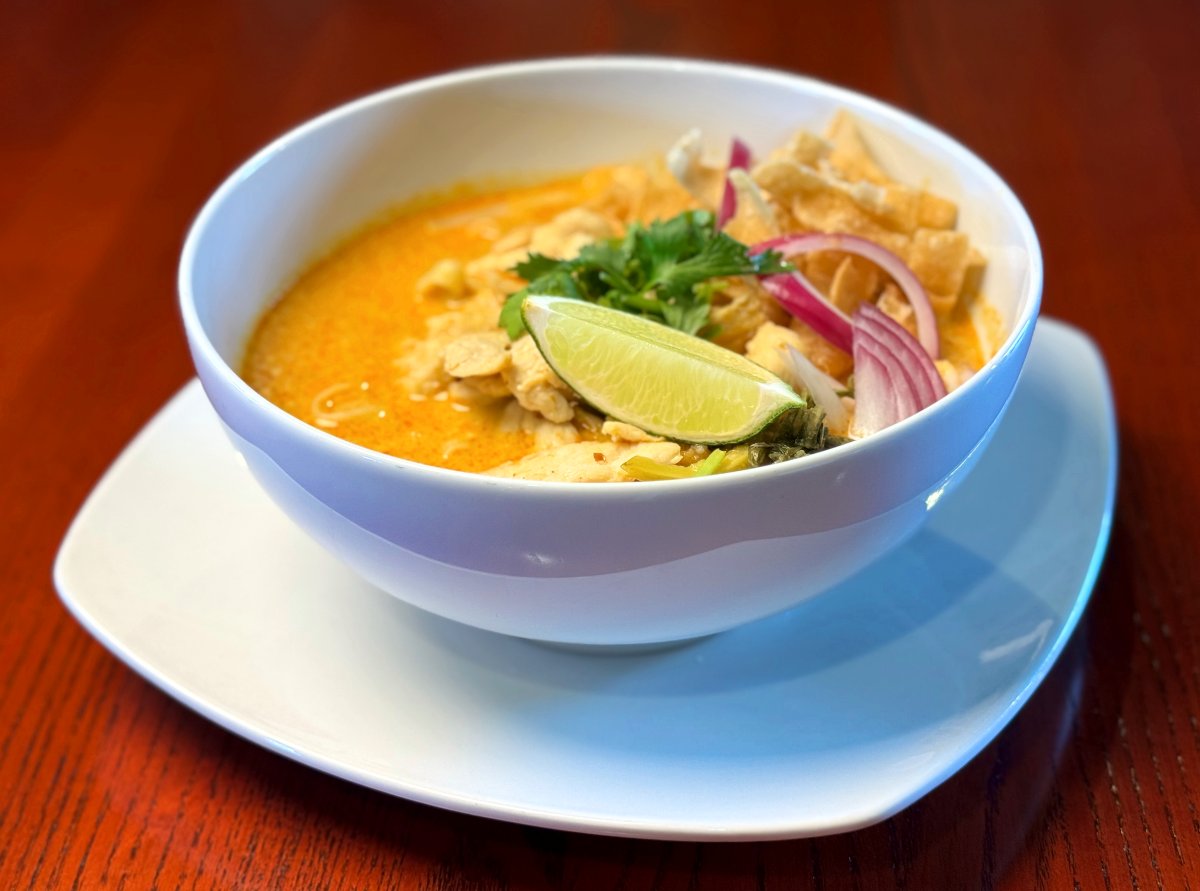
If you have ever ordered Drunken Noodles from a good Thai restaurant and wondered why homemade versions so often miss the mark, the answer is usually not one big mistake. It is a string of small ones. The noodles are too soft. The pan is not hot enough. The sauce is heavy on soy and short on balance. The basil goes in too early and loses its perfume. The vegetables steam instead of char. You still get dinner, but you do not get that glossy, spicy, slightly smoky plate that tastes like it came out of a busy wok station.
The good news is that takeout-style Drunken Noodles are absolutely possible at home. You do not need a restaurant burner that sounds like a jet engine, and you do not need obscure techniques. You do need to pay attention to texture, timing, and proportion. This is one of those dishes that rewards decisiveness. Once the pan is hot, things move fast.
Drunken Noodles, often associated with the Thai dish pad kee mao, should taste bold and alive. The noodles should be slippery but not mushy, coated but not drowning. The sauce should hit salty, savory, spicy, and faintly sweet notes at once. Thai basil gives the dish its signature lift. Chiles provide heat, but also a fresh green bite if you use the right kind. The best versions taste a little wild around the edges, in a good way, like the cook was not trying to make everything neat and polite.
That character is what makes the dish worth chasing.
What makes Drunken Noodles taste like takeout
Restaurant Drunken Noodles have a few qualities that stand out immediately. First, the noodles usually have chew. They bend and stretch, but they still offer resistance. Second, the sauce clings in a thin, glossy layer instead of pooling under the noodles. Third, the vegetables and aromatics show signs of direct heat. You get blistered chile skins, onions with singed edges, and basil that has just wilted enough to perfume the whole pan.
At home, the biggest obstacle is moisture. Home stoves often struggle to evaporate liquid https://zionzmca426.halcyonledger.com/posts/what-to-serve-with-drunken-noodles-for-a-complete-meal quickly, especially if the pan is crowded. That matters because Drunken Noodles are not a simmered noodle dish. They are a stir-fry. Stir-frying depends on quick cooking, dry heat, and constant movement. If your pan fills with too many noodles, too much sauce, or vegetables that were washed and not dried well, you lose the char and concentrate. The dish starts tasting flat.
Another difference is seasoning. Many homemade recipes lean too hard on sweetness or soy sauce because those ingredients are easy to find and familiar. Real balance comes from layering. Oyster sauce brings body. Soy sauce contributes salt and color. Fish sauce gives the dish depth and that savory note people often identify as restaurant flavor even when they cannot name it. A little sugar rounds sharp edges, but it should not make the dish candy-like.
Start with the right noodles
Wide rice noodles are traditional, and they are central to the experience. Fresh wide rice noodles are ideal if you can find them, usually in the refrigerated section of an Asian market. They have a soft, pliable texture and can go straight into the pan after you separate them gently. If they are cold and stuck together, a brief microwave warming or a few minutes at room temperature helps loosen them.
Dried wide rice noodles also work well, but they need more care. Most failed homemade Drunken Noodles begin with over-soaked noodles. People follow package directions meant for soup or soft noodle dishes, then wonder why the noodles break apart in the pan. For stir-frying, undercook them slightly. They should be pliable and mostly tender, but still a little firm in the center. They finish cooking in the sauce.
If you cannot find very wide rice noodles, use the widest flat rice noodle available. This is one place where shape affects the final dish more than people expect. Thin noodles absorb sauce quickly and can become slippery in a less satisfying way. Broad noodles create folds and surfaces that catch flavor while still feeling substantial.
Fresh noodles do have one quirk. They can tear if handled roughly, especially if they were packed tightly. Separate them with your fingers, not tongs, before cooking. Once they hit the pan, toss with confidence, but not violence.
The sauce needs restraint
Good Drunken Noodles are saucy, but not wet. That distinction matters. You want enough sauce to coat every noodle and season the vegetables, yet not so much that the noodles slosh. The pan should look glossy, not flooded.
A reliable home ratio starts with oyster sauce, soy sauce, fish sauce, and a modest amount of sugar. Dark soy sauce can be used in a small amount if you want deeper color, but it is not mandatory. Some cooks add a splash of water or stock to help dissolve the sugar and distribute the sauce evenly. That works, but keep it minimal.
The flavor should taste slightly intense if you sample the sauce on its own. Once it coats noodles and vegetables, that intensity softens. If it tastes mild in the bowl, it will disappear in the pan.
A practical sauce mix for two generous servings looks like this:
- 2 tablespoons oyster sauce
- 1 tablespoon soy sauce
- 1 to 2 teaspoons fish sauce
- 1 to 2 teaspoons sugar
- 1 teaspoon dark soy sauce, optional, for color
That formula is not dogma. It is a useful baseline. If your oyster sauce is very salty, reduce the soy slightly. If your fish sauce is pungent and aggressive, start at one teaspoon. If you like the sweeter American takeout profile, nudge the sugar upward a bit. The point is not to memorize a rigid recipe. It is to understand the roles each ingredient plays.
The aromatics do more than add heat
Drunken Noodles should taste spicy, but heat alone does not define them. Fresh garlic and chiles create the dish’s backbone. In many restaurant kitchens, Thai bird’s eye chiles are the default. They are sharp, bright, and intense. If you use them, know that three or four can make a dish seriously hot. Jalapeños, serranos, or fresnos work too, though they shift the flavor slightly. Serranos are often the best compromise for people who want noticeable heat without crossing into punishment.
Garlic should be chopped or pounded, not shaved paper-thin. It needs enough body to survive the hot oil for a few seconds without vanishing instantly. Some cooks pound garlic and chiles together into a rough paste, which helps distribute flavor fast. That method is smart when the rest of the cooking process will only take a couple of minutes.
Onion is often underestimated here. Sliced onion brings sweetness and bulk, but more importantly, it helps build that takeout-style contrast between softened vegetables and chewy noodles. White onion holds up better than sweet onion, though either can work if you cook with intention and do not let it collapse completely.
Bell pepper is common in restaurant versions, especially in the United States. It is not mandatory, but it adds color and sweetness. Baby corn, carrots, and broccoli sometimes show up too. They are not wrong, but they do change the dish’s character. The more vegetables you add, the more moisture management matters.
Thai basil is not a garnish
Thai basil is one of the ingredients that separates Drunken Noodles from generic spicy noodles. Italian basil can stand in if necessary, but it lacks the same anise-like edge and sturdy leaf structure. Thai basil keeps more of its identity under heat. It should go into the pan near the end, when the noodles are almost done, so the leaves wilt and perfume the sauce without turning black and tired.
Do not be stingy with it. A few leaves scattered on top after cooking will smell nice, but they will not season the dish. You want a small handful, sometimes more, folded into the hot noodles while they are still moving.
There is also a timing judgment here. If your pan is extremely hot, basil can go from fragrant to burnt in moments. Kill the heat if needed, then toss it through. The residual heat is often enough.
Protein is optional, but technique changes with it
Chicken is probably the most common takeout choice, followed by beef, shrimp, and tofu. Each protein affects the flow of the dish.
Chicken should be sliced thinly so it cooks in under two minutes. Thigh meat works better than breast because it stays juicy and has more flavor. Beef should be tender and cut across the grain. Shrimp cook so quickly that they are best added after the aromatics have started, then removed if necessary to avoid overcooking. Tofu needs special treatment. If it goes into the pan wet and soft, it sheds water and falls apart. Firm tofu, pressed and browned first, performs much better.
You can also make Drunken Noodles without protein and never miss it. When the noodles, basil, chile, and sauce are right, the dish still feels complete. In fact, many home cooks improve their results by leaving meat out the first few times. It simplifies timing and lets you learn how the noodles behave.
Your pan matters more than your recipe
A carbon steel wok is excellent, but not essential. A large skillet, ideally not nonstick, can produce very strong results. The key is surface area and heat retention. If the pan is too small, ingredients pile up and steam. If the heat is timid, the sauce never tightens.
Preheat the pan properly. That does not mean heating it until it smokes uncontrollably for five minutes. It means giving it enough time to become evenly hot so ingredients sizzle on contact. Add oil only when the pan is ready. Then move quickly.
The instinct to cook everything in one crowded batch is understandable, but it often ruins the dish. If you are making more than two servings, cook in batches. That is how you keep the noodles glossy instead of gummy.
There is no shame in splitting the process. Restaurants do it all the time through mise en place, with ingredients portioned and ready to fire. Home cooks can borrow that logic. Have the sauce mixed, noodles loosened, basil picked, and vegetables sliced before you heat the pan. This is not a dish that rewards leisurely mid-cook chopping.
The actual cooking, in the order that works
The rhythm matters as much as the ingredients. Once you understand the sequence, Drunken Noodles become far less intimidating.
- Heat a large wok or skillet until very hot, then add a tablespoon or two of oil. Cook the protein first, if using, just until done or nearly done, then transfer it out.
- Add garlic and chiles, followed almost immediately by onion and any sturdier vegetables. Stir-fry briefly, just until fragrant and slightly charred at the edges.
- Add the noodles and the sauce. Toss and fold rather than aggressively stirring, so the noodles stay intact while the sauce spreads and reduces.
- Return the protein, if using, and keep tossing over high heat until the noodles are glossy and lightly singed in spots, usually only another minute or two.
- Add Thai basil at the end, toss just until wilted, then serve immediately.
That sequence leaves room for judgment. If the noodles seem dry before they soften fully, add a spoonful of water around the pan’s edge, not straight onto the center. If the pan seems wet, keep everything moving and resist the urge to add more sauce. The goal is reduction, not dilution.
Common mistakes that sabotage the dish
The first major mistake is overcooking the noodles before they ever hit the pan. Rice noodles have a narrow window between underdone and ruined. They continue softening from residual heat even after draining, so pull them earlier than your instincts may suggest.
The second is crowding the pan. When people say their homemade Drunken Noodles tasted fine but lacked that restaurant edge, crowding is usually the reason. Steam is the enemy of char. If you see liquid collecting and refusing to evaporate, you are asking too much of the pan.
The third is timid seasoning. A dish with noodles and vegetables needs assertive sauce. Not excessive, just assertive. This is especially true if you are used to tasting sauces in isolation and judging them as too salty. The finished dish mutes extremes.
Another issue is adding basil too soon. Early basil loses aroma and turns muddy. Last-minute basil tastes vivid.
Finally, many people stir too frantically. Rice noodles tear. A quick lifting and folding motion works better than scraping and chopping at them. Think of tossing a silk scarf, not wrestling spaghetti.
How to adjust the dish without losing its identity
One of the strengths of Drunken Noodles is how adaptable they are. You can push them in different directions as long as you preserve the core balance of heat, savory depth, noodles, and basil.
If you like extra vegetables, choose ones that can handle intense heat and short cooking, such as snap peas, Chinese broccoli, or mushrooms. Mushrooms are especially useful because they contribute savoriness, but they must be cooked long enough to release and then lose some of their moisture.
If you want a richer flavor, increase oyster sauce slightly rather than adding more soy. Oyster sauce brings body without making everything taste one-note. If you want brighter saltiness, add a touch more fish sauce at the end, but do it carefully. Fish sauce added late stays more prominent.
If you need a vegetarian version, mushroom-based vegetarian oyster sauce and light soy sauce can get you surprisingly close. The missing fish sauce note is harder to replace exactly, though a small amount of miso or a seasoning sauce with fermented depth can help. It will not taste identical, but it can still taste excellent.
For people cooking on weak electric stoves, there is a workaround that genuinely helps. Cook the vegetables and protein first, remove them, then let the pan regain heat before adding the noodles. That pause often makes the difference between a stir-fry and a steam bath.
What to serve with it, and what not to fuss over
Drunken Noodles are usually the main event. They do not need much on the side. A wedge of lime is welcome for some people, though not every version includes it. If you enjoy the acidity, use it lightly so it lifts rather than dominates. A cucumber salad or a simple crunchy vegetable side can cool the heat and round out the meal.
Do not overthink authenticity to the point that you stop cooking. Restaurant food evolves across regions, cooks, and local expectations. Some takeout versions are sweeter. Some are heavier on vegetables. Some lean deeply into fish sauce and chile. What matters at home is that the dish tastes coherent, lively, and intentional.
There is also no prize for suffering through impossible ingredient hunts. Fresh wide rice noodles, Thai basil, and a decent fish sauce are worth trying to find because they change the result substantially. Beyond that, practical substitutions are fine if they are made with understanding instead of guesswork.
A realistic pantry-and-fridge version
The version many people end up making on a weeknight is not a perfect market-fresh reproduction, and that is fine. Dried noodles, supermarket basil, serranos, onion, bell pepper, and chicken thighs can still produce a very convincing plate. The biggest upgrades come from process, not prestige.
A home cook who has learned to slightly undercook dried noodles, preheat the pan correctly, mix the sauce ahead of time, and finish with basil at the right moment will outcook someone with better ingredients and bad timing. That is not romantic kitchen folklore. It is simply how stir-frying works.
I have seen this play out again and again. The first attempt is often too cautious. The second is too aggressive with heat and breaks the noodles. By the third or fourth try, most people find the groove. They stop measuring every second, start listening for the sizzle, and recognize when the sauce has tightened enough. That is when the dish begins to feel less like following a recipe and more like cooking.
The texture test that tells you everything
When Drunken Noodles are ready, the pan gives you several signals at once. The sauce no longer looks watery. The noodles have separated and turned glossy. Some edges may show light browning or blistering. The basil smells strong and sweet-spicy. When you lift a bite, the noodles drape instead of clumping.
Taste one strand before plating. It should be seasoned all the way through, not just on the surface. If the noodle itself tastes flat, toss for another few seconds or add a tiny splash of fish sauce or soy around the edge of the pan. If it tastes salty but somehow dull, it may need basil, chile, or a little more heat exposure rather than more sauce.
That last bit matters. More sauce is not always the fix. Often, the dish needs concentration, not quantity.
Why homemade can be better than takeout
Takeout Drunken Noodles are wonderful when they are fresh and hot, but they can fade quickly in a container. The basil loses its edge. The noodles absorb sauce and soften. Steam trapped in the box undoes some of the wok character that made the dish special in the first place.
At home, you get to eat it at the exact moment it peaks. Straight from pan to plate, the noodles still slick and aromatic, the chiles still vivid, the onion still carrying a little crunch, the basil still announcing itself. That immediacy is hard to buy.
You also get to tune the dish to your preferences without turning it into something unrecognizable. More heat, less sweetness, extra basil, no protein, thicker noodles, lighter vegetables, all of that is in your hands. Once you understand the mechanics, Drunken Noodles become one of the most rewarding weeknight stir-fries you can make.
And unlike many restaurant-style dishes that require long marinating, deep frying, or a pile of specialty gear, this one mostly asks for attention and decisiveness. Prep carefully. Heat the pan properly. Keep the sauce balanced. Respect the basil. Do those things, and the result will feel very close to your favorite takeout, sometimes even better.
Nakhon Luang Thai Kitchen
Address: 805 Village Center Dr, Colorado Springs, CO 80919
Phone number: +17195315175
FAQ About Drunken Noodles
What makes it drunken noodles?
Drunken noodles, or Pad Kee Mao, get their name from the Thai word khi mao (meaning "drunkard"). They contain no alcohol. The name comes from the idea that the dish is a popular late-night meal to cure a hangover or a great food to eat with a cold beer.
What is the difference between pad see ew and drunken noodles?
While both Pad See Ew and Drunken Noodles use the same wide rice noodles, Pad See Ew is a mild, sweet-savory dish made with dark soy sauce and Chinese broccoli, whereas Drunken Noodles (Pad Kee Mao) are fiery, garlicky, and herbaceous with fresh chilies and Thai basil.
What are traditional drunken noodles?
Traditional drunken noodles, known as Pad Kee Mao in Thai, are a fiery, savory street food stir-fry made with wide flat rice noodles, fresh garlic, lots of hot chilies, meat or tofu, and fragrant holy basil. Despite the name, they contain no alcohol; the dish is traditionally eaten late at night or as a hangover cure because the intense spice helps clear the head.