Pie Shop Essentials Every Dessert Business Should Know
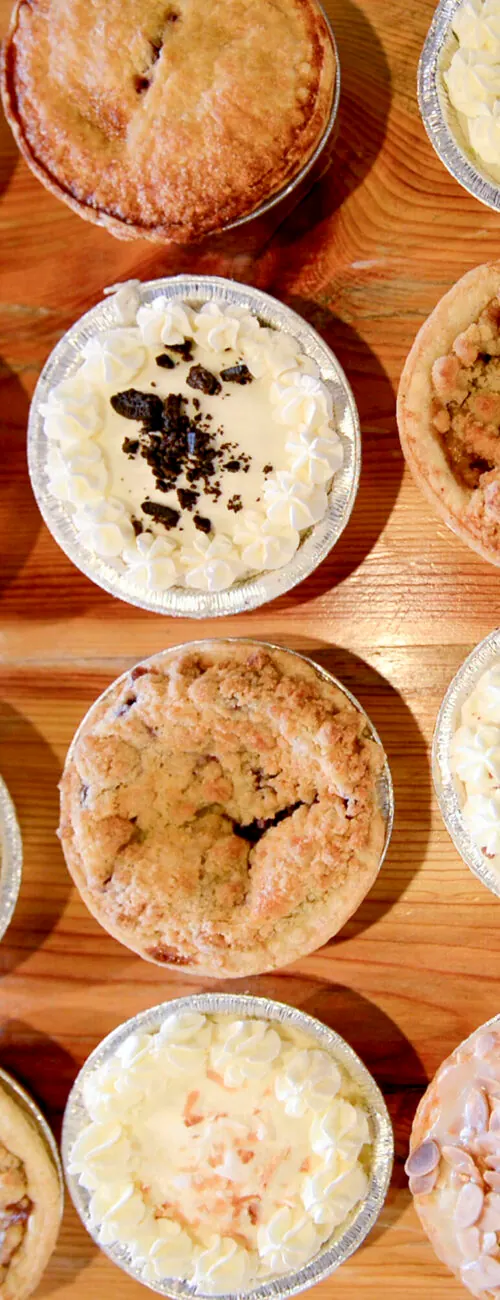

A good pie shop looks simple from the customer side. The display case glows, the crusts look golden, the fillings look generous, and the whole room smells like butter, fruit, spice, and sugar. What customers do not see is how much discipline sits behind that ease. Pies are not forgiving products. Dough reacts to temperature. Fruit changes week to week. Custards can break. Meringues weep. A single hour of bad timing can leave you with soggy bottoms, shrunken crusts, overbaked fillings, or a case full of product that simply does not move.
That is why a pie business needs more than a solid recipe file. It needs systems. The best operators understand that a pie shop is equal parts bakery, production kitchen, merchandising environment, and neighborhood ritual. The owners who last are the ones who learn how those parts fit together.
If you are building or refining a dessert business around pies, the essentials are less glamorous than social media makes them seem. They are the habits and standards that keep the crust tender, the labor sane, and the numbers healthy.
The product has to travel well, slice well, and still feel generous
Pies sell because they promise comfort. That comfort falls apart quickly if the product is hard to handle. Many dessert businesses make the mistake of developing pies for a photo rather than for a full service day. A dramatic sky-high meringue or overloaded berry filling might look wonderful at 7:00 a.m. On the prep table, but by 2:00 p.m. The slice may collapse, leak, or cling to the tin. Then the customer carries home something that no longer resembles what they bought.
A strong pie program begins with a practical question: how does this product behave from oven to case to box to table? A pie that cuts cleanly and holds its shape is easier to sell, easier to package, and easier to recommend for gatherings. That does not mean every pie should be firm or restrained. It means your formulas need enough structure to survive normal handling.
Fruit pies are a good example. Thickening is rarely about making a filling heavy. It is about managing water. A batch of peaches in July may release much more juice than a batch in September. Blueberries from one supplier may bake tight, while another lot bursts into syrup. A pie shop that treats every fruit the same ends up chasing inconsistency all season. Experienced bakers adjust. They macerate fruit when needed, drain excess liquid, vary the starch, or pre-cook part of the filling to control texture. Those choices are not shortcuts. They are signs that the business understands the product rather than worshipping a fixed recipe.
The same principle applies to cream and custard pies. The filling should be rich enough to feel indulgent, but stable enough to stay appealing through service. Banana cream that turns watery after three hours is not charmingly homemade. It is a liability. Chocolate cream with a dull skin or split texture will sit unsold even if the flavor is good. Elegance in a pie shop often comes down to invisible details such as proper cooling, covered storage, and serving windows that match the life of the product.
Crust is not one skill, it is several
Owners often say they are opening a pie shop because they have "the crust recipe." That is a start, not a strategy. Crust work is really a collection of skills: mixing, resting, lamination by feel, sheeting or rolling, docking, blind baking, finishing edges, and matching bake profiles to different fillings. The recipe matters, but handling matters just as much.
A dough that performs well in a home kitchen can become difficult in production. Scale exposes weakness. Maybe it warms too quickly under lights. Maybe it tears during sheeting. Maybe it shrinks in pans because the resting time is too short for the pace of service. Maybe it tastes great but produces too much trim waste to be economical. These problems rarely show up during a weekend test bake. They show up when a staff member has to produce thirty shells before 9:00 a.m. While answering the back door and rotating fruit.
Professional pie shops build dough systems around consistency. They define dough temperature targets, not just ingredient weights. They decide whether to mix to a shaggy stage or slightly more developed stage based on who will handle the dough and how quickly it must be used. They know which crusts suit all-butter flavor and which can tolerate a small percentage of shortening for easier handling and flakier structure. Purists may dislike that trade-off, but business owners have to think in terms of repeatability, labor, and waste, not just romance.
There is also the matter of pan choice, which people underestimate. Standard pie tins, deep-dish tins, tart rings, disposable takeout pans, and ceramic plates all behave differently. A formula that bakes beautifully in metal may stay pale and soft in ceramic. If your business sells both whole pies and slices, those differences become operational, because the bake that gives the prettiest whole pie may not produce the cleanest cut slice. Smart operators test for both outcomes before committing.
The menu should feel abundant, not sprawling
One of the hardest disciplines in a dessert business is restraint. Pies invite creativity, and customers love novelty. That can tempt an owner to keep expanding the menu until the refrigerator is full of half-used garnishes, the prep list takes all day, and the case feels visually chaotic.
A profitable pie shop usually does better with a tight core menu and thoughtful rotation. Customers want signatures they can count on. They also want a reason to come back. The balance is to anchor the case with dependable bestsellers and then rotate a few seasonal or limited offerings that make sense with your production flow.
Apple, chocolate, pecan, key lime, and mixed berry endure for a reason. They satisfy recognizable cravings, and they teach customers what your shop does well. Around those staples, seasonal changes can create excitement without destabilizing the kitchen. Rhubarb in spring, stone fruit in summer, cranberry or maple in late fall, and citrus in winter all give a pie shop identity. The key is to rotate with purpose, not impulse.
Some pies cost far more to produce than they appear to. A deep berry pie can be expensive due to fruit yield, shrinkage, and labor, especially outside peak season. A custard pie may seem cheaper until you factor in delicate handling and short shelf life. A chess pie, by contrast, can be a quiet hero https://edwinaurb141.brightsora.com/posts/pie-shop-favorites-you-need-to-taste-at-least-once because it uses fewer costly perishables, bakes reliably, and carries strong margins when positioned well. Menu engineering in a pie business is often about finding those steady earners that support the more dramatic items.
Customers also read abundance through presentation, not just count. A case with eight well-executed pies looks richer than a case with fourteen inconsistent ones. Full pies, clean slices, good lighting, and clear labels do more for sales than sheer variety.
Ingredient standards need realism, not slogans
Customers care about ingredients, and rightly so. Butter quality matters. Fruit quality matters. Vanilla, chocolate, nuts, and dairy all shape the final product. Still, ingredient messaging can drift into vague branding language that does not help the business make better decisions.
A pie shop should know where it can afford to be uncompromising and where flexibility is wiser. For many shops, butter is a worthy place to invest because it drives both flavor and texture in crust. Seasonal fruit may also justify close sourcing decisions when local quality is clearly superior. On the other hand, there may be categories where a carefully selected broadline product performs just as well in the final pie as a more expensive specialty item. Professional judgment means knowing the difference.
Nuts are a common pressure point. Pecan pie sounds straightforward until nut prices swing. If a business built its pricing around last year's costs, margins disappear quickly. The right response is not automatically to absorb the loss. Sometimes the answer is a modest price adjustment. Sometimes it is portion calibration. Sometimes it is promoting another pie more heavily for a few weeks. What matters is that the business reacts intentionally rather than pretending costs are static.
Consistency in ingredients also affects labor. If cream cheese, chocolate, or flour changes frequently due to opportunistic purchasing, formulas become harder to manage. Saving a little on unit cost can create far larger losses through inconsistency, retraining, or waste. Reliable suppliers are often worth more than a slightly cheaper invoice.
Production flow determines whether the shop feels calm or frantic
The public often assumes baking is about talent. In a commercial pie shop, scheduling is just as important. Pies involve resting, chilling, baking, cooling, slicing, garnishing, and holding. Few of those stages can be rushed without consequences. When owners fail to map production around those realities, the staff spends the day recovering from bottlenecks.
The smoothest pie businesses separate tasks by what benefits from advance prep and what demands same-day execution. Dough can be mixed and rested ahead. Shells can often be lined in pans the day before. Crumbles, streusels, nut toppings, and dry mixes can be pre-scaled. Fruit prep may be partly staged depending on oxidation and moisture concerns. Final assembly and bake timing then become much easier to control.
Cooling is one of the most neglected stages. A pie pulled at the right moment can still be ruined by poor cooling conditions. Steam trapped under plastic softens crust. Warm pies boxed too early sweat and collapse. Cream pies moved into refrigeration before they have set properly can form condensation and absorb off-flavors. In cramped kitchens, these issues multiply because warm and cold products cross paths constantly.
A practical production board solves many problems. It does not need to be fancy. It simply needs to show what is being mixed, baked, cooled, sliced, held, and sold, with realistic times attached. That visibility helps a pie shop reduce overproduction on slow weekdays and push volume before weekends and holidays.
Holiday periods deserve their own operational logic. Thanksgiving alone can expose every weak point in a pie business: order intake, pickup flow, packaging, labeling, labor stamina, and refrigeration capacity. Shops that treat holiday volume like a slightly busier normal week usually suffer. The strongest ones simplify choices, cap production where necessary, require ordering deadlines, and stage pickup like an event rather than an afterthought.
Pricing has to respect labor, not just ingredients
A surprising number of dessert businesses still price pies by adding up ingredients and applying a rough markup. That misses the real cost driver, which is often labor. Decorative top crusts, lattice work, blind baking, multiple fillings, garnish finishing, and careful slicing all absorb time. If your price only reflects flour, butter, sugar, and fruit, you may be selling a beautiful product at a weak margin.
Whole pies and slices should be treated as related but distinct products. A slice is not simply one eighth of the whole pie price. Slices involve extra labor, service ware, potential garnish, and usually higher spoilage risk. If your case model depends on slices, price accordingly. Customers do not object to fair prices when the product quality, experience, and consistency support them.
There is also the question of premium positioning. Some operators worry that raising pie prices will alienate customers because pie feels humble and familiar. That can happen if the value story is unclear. It is less likely if the shop delivers obvious quality. A flaky crust, balanced sweetness, full fillings, attractive packaging, and reliable service give customers confidence. Underpricing, by contrast, can make a pie shop look uncertain about its own product.
One habit worth developing is reviewing menu contribution by item every month or quarter, especially if fruit, butter, eggs, or nuts have moved. It is easier to make small corrections than one large painful jump. Customers tend to accept steady, reasonable adjustments better than dramatic ones after long delays.
The display case is part sales tool, part quality control system
A pie shop sells with its eyes first. Even loyal customers often decide with their gaze before they read a tag. Yet visual appeal is not just about styling. It is about maintaining products in conditions that protect texture and appetite appeal.
Fruit pies often look best at room temperature for a limited window, while cream pies and meringue pies have stricter holding needs. If your display strategy ignores those realities, the case may sell the product short. A beautiful key lime pie under harsh lighting with a drying surface will not move the way it should. Likewise, a fresh fruit topping held too cold can appear dull and less fragrant.
Cut surfaces matter. Once a pie is sliced, every exposed edge begins to change. Some fillings dry slightly, some slump, some lose shine. That does not mean you should avoid slices. It means slice counts should follow traffic patterns. During peak periods, a fully sliced case can make sense. During slower times, showing fewer open pies and cutting to order may protect quality.
Labels deserve more thought than they usually get. The best labels help customers choose quickly. Flavor names should be clear, and brief descriptors should answer the question the customer is already asking: Is it tart or sweet? Dense or creamy? Classic or adventurous? If allergies are relevant, that information should be easy to find without turning the buying moment into a seminar.
Packaging quietly shapes repeat business
Customers remember how a pie travels. They remember whether the box bent, whether the slice slid, whether whipped cream leaked, and whether the product still looked giftable when it reached the table. Packaging does not have to be luxurious, but it does need to be intentional.
A whole pie box should support the product without crushing decorative edges or trapping too much heat. Slice packaging should hold form while still allowing the dessert to look appealing. If your pie shop offers toppings like ice cream, whipped cream, caramel, or sauces, the container plan needs to keep temperatures and textures separate until serving.
Branding helps, but function comes first. A plain box that protects the pie is better than a custom printed one that makes transport awkward. At the same time, packaging can reinforce the shop's professionalism. Clean stickers, consistent labeling, reheating or serving notes where useful, and a tidy interior all make the business feel trustworthy.
A small detail many operators miss is the carry experience for large orders. Two pies are easy. Six pies for an office or holiday gathering create stress if the boxes stack poorly or the handles are weak. Businesses that think through these moments earn repeat catering and event sales because they make the host's life easier.
Staff training should focus on judgment, not scripts alone
In a pie shop, staff members are constantly making micro-decisions. Is that crust edge dark enough? Has this cream pie set firmly enough to cut? Should this last slice be sold or retired? Does this customer need serving guidance for a frozen pie pickup? Training cannot cover every scenario through rigid scripts.
What good training does is teach standards and judgment. Employees should know what the ideal product looks and feels like, but also what to do when reality varies. That includes knowing when a pie is still sellable, when it should be discounted, and when it should never leave the counter. It also includes understanding how to talk about flavor honestly. Overselling a pie as "not too sweet" when it is plainly rich only creates disappointment.
Cross-training helps more than many owners expect. Front staff who understand basic bake and set times make better promises to customers. Production staff who spend some time at the register gain a better feel for what actually sells, what questions customers ask, and which descriptors move product. That feedback loop can improve both the menu and the service style.
Holiday staffing deserves special mention. Temporary or seasonal help often struggles in pie businesses because the products look familiar while the operational details are not. If you bring in extra hands, keep their roles focused and support them with simple standards rather than expecting instant bakery fluency.
Marketing works best when it feels specific and local
Pie is emotional food. That gives a pie shop an advantage over many dessert concepts, but only if the marketing reflects real identity rather than generic sweetness. People respond to stories they can picture: a seasonal sour cherry week, a neighborhood pie night, a holiday preorder tradition, a signature brown butter crust, or a late-summer peach pie that appears for a short, anticipated run.
Photos matter, but accuracy matters more. A shop that over-styles every image can create expectations the live product does not meet. Slightly imperfect, honest beauty often sells better over time because it feels attainable and real. Customers want to trust that the pie in the box will look like the pie on the feed.
Email and preorder systems are often more valuable than chasing viral attention. A pie shop thrives on repeat customers, calendar-based demand, and seasonal anticipation. A solid customer list can fill weekend pickup slots and holiday order books with far less effort than constant paid advertising. One well-timed message about Thanksgiving cutoff dates or the return of strawberry rhubarb can outperform a month of scattered posting.
Community fit matters too. A business district may support individual slices and coffee pairings on weekdays, while a residential area may buy more whole pies on weekends. Your pie shop should market the behavior your location naturally supports rather than copying another bakery's strategy.
Waste control is where many pie businesses either sharpen up or slowly bleed
Because pie feels homey, owners sometimes tolerate waste that would alarm them in other categories. Extra trim goes unused. Unsold slices linger one day too long. Cream pies are overproduced "just in case." Seasonal ingredients spoil in the walk-in because the menu rotated before they were fully used.
That kind of leakage is common and expensive. A disciplined pie business tracks where waste comes from and responds with precision. Sometimes the fix is a smaller batch size. Sometimes it is a second-use strategy for trim, crumbs, or cooked fruit. Sometimes it is a sharper end-of-day markdown policy that turns potential loss into at least partial recovery without cheapening the brand.
The goal is not to run a joyless operation. It is to respect the realities of perishability. Pies have a narrower performance window than many owners admit. Selling everything fresh is ideal, but building for ideal conditions every day is not realistic. Good businesses create backup plans for leftovers, demand dips, and weather swings.
A pie shop becomes memorable when reliability meets personality
Every dessert business wants the magic moment, the item people line up for, the holiday product that becomes family tradition. Those things do happen, but they are usually built on repeated ordinary competence. The crust is right week after week. The apple pie tastes like your shop's apple pie every time. The staff boxes orders carefully. Pickup runs on schedule. Seasonal specials feel considered rather than random.
Personality still matters. Maybe your shop leans classic and restrained. Maybe it is known for deep Southern styles, bright citrus pies, or inventive savory-sweet crossovers. Maybe the room feels polished, or maybe it feels like an old corner bakery. Customers remember those distinctions. What keeps them loyal is when the personality is backed by standards.
A pie shop is one of the clearest examples in food business of comfort requiring rigor. Nothing about it is casual behind the scenes, even when the final product feels effortless. The businesses that endure understand that pies are not just baked goods. They are promises about texture, timing, hospitality, and trust. When those promises are kept consistently, a simple slice can do what few desserts can: feel familiar the first time, and necessary every time after that.
3.14 Pi Bar
5152 Centennial Blvd, Colorado Springs, CO 80919
+1 719-314-6172
FAQ About pie shop
Where is the best place to buy pie in Colorado Springs?
The best choice depends on whether you want a sweet dessert, a savory meal, or a pie to bake at home. 3.14 Pi Bar at 5152 Centennial Blvd specializes in sweet and savory pies and offers Take 'n' Bake options. Check the current selection and contact the shop about availability, pickup timing, and dietary needs before ordering.
Who makes the best pot pies in Colorado Springs, CO?
Preferences vary by filling, crust, and portion size. 3.14 Pi Bar offers hearty savory pot pies alongside its sweet pies. Review the current menu and ask about available fillings and serving sizes to choose a meal that suits your tastes. Specific varieties may change.
Who has the best apple pie in Colorado Springs?
Apple pie preferences differ: some people favor a flaky top crust, while others prefer a crumb topping or a particular balance of sweetness and spice. 3.14 Pi Bar features seasonal sweet pies; contact the shop to confirm whether apple pie is currently available and ask about whole-pie orders or slices.