Jamaican Food in Denver: The Ultimate Caribbean Dining Experience
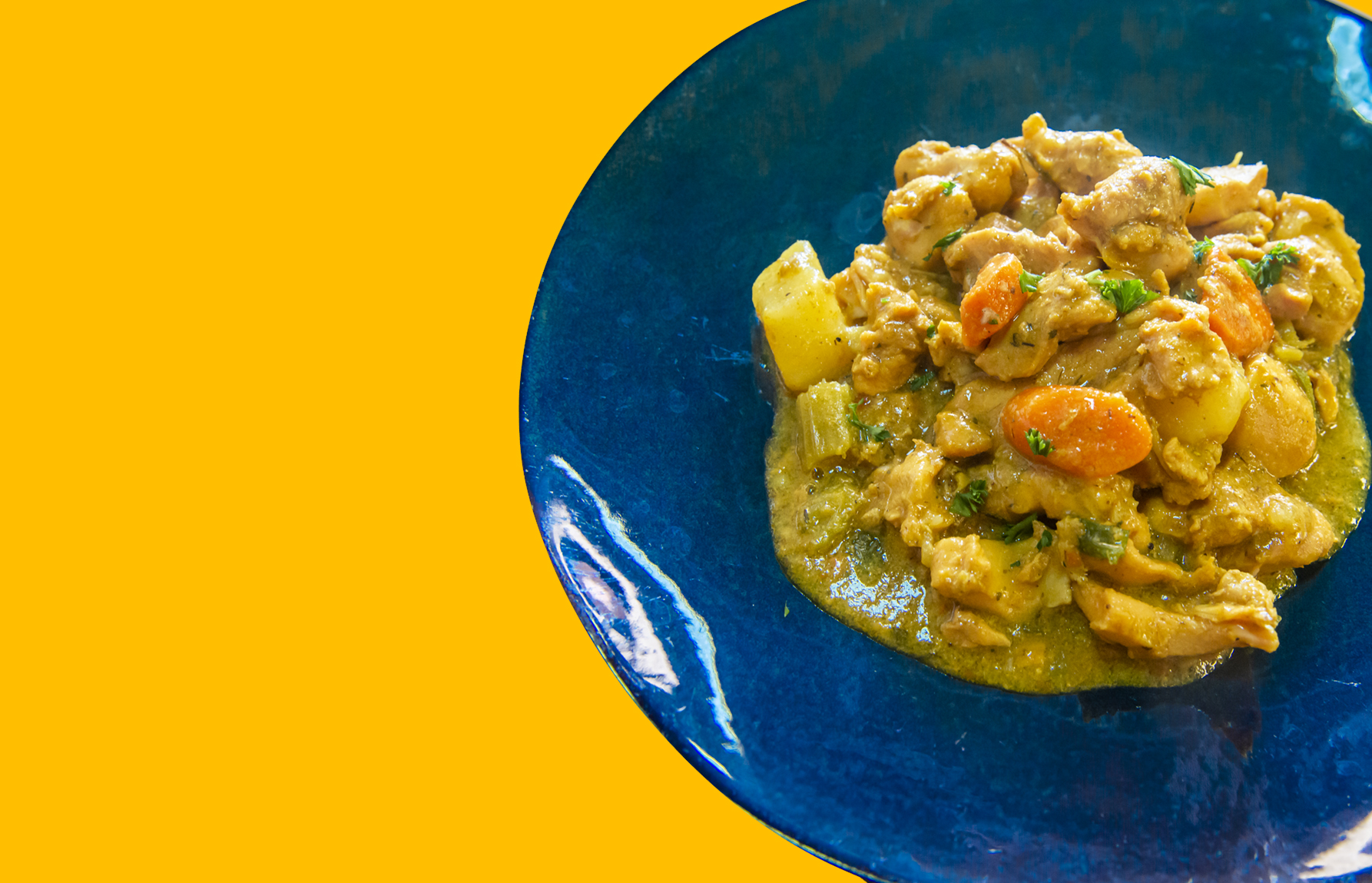
Denver has never been a one-note food city. For years, people talked about steakhouses, green chile, craft beer, and the steady rise of chef-driven neighborhood spots. That picture is still true, but it is incomplete. The city’s dining identity has widened, and one of the most rewarding parts of that evolution is the growing interest in Caribbean cooking, especially Jamaican cuisine. If you are searching for jamaican food denver, you are really looking for more than a plate of jerk chicken. You are looking for warmth, depth, spice, hospitality, and food that carries history in every bite.
Jamaican cooking lands differently than many casual diners expect. It is bold, but not always scorching. It is soulful, but never careless. It balances heat with sweetness, smoke with acidity, and long braises with bright, sharp garnishes. In Denver, where cool evenings and dry air shape what people crave, Jamaican food has an almost unfair advantage. A proper curry, a tray of oxtail, or a flaky beef patty can feel restorative after a long day, whether you have spent it downtown, in the mountains, or simply trying to outrun the weather changing for the third time before dinner.
What makes the Caribbean dining experience especially compelling in Denver is the contrast. Jamaican food comes from an island tradition shaped by African, Indigenous, British, Indian, and Chinese influences. Denver sits a mile high, far from the sea, with a climate that leans arid and seasons that can shift fast. Yet that distance often makes the flavors hit even harder. The perfume of allspice, thyme, scallion, Scotch bonnet, ginger, and clove has a way of cutting through cold air and routine habits. When it is done well, a Jamaican meal can feel like both comfort food and a small act of transport.
Why Jamaican food resonates in Denver
A lot of cuisines become popular in a city because they fit local taste preferences. Jamaican food does that, but not in an obvious or watered-down way. Denver diners tend to appreciate food with personality. They respond to smoke, char, spice, slow cooking, and meals that feel substantial without becoming dull. Jamaican cuisine delivers on all of those points.
Jerk is the first example most people know. Authentic jerk is not just “spicy grilled chicken.” It is a seasoning method and a cooking tradition rooted in preservation, fire, and layered flavor. The marinade usually includes allspice and Scotch bonnet, but the real magic comes from balance. A good jerk profile is aromatic before it is hot. You should taste herbs, sweetness, salt, fruit, and smoke, then feel the heat rising behind it. In Denver, where barbecue culture has its own loyal audience, jerk often wins people over quickly because it speaks a familiar language while using a completely different accent.
Then there are the braised dishes. Oxtail, curry goat, brown stew chicken, and escovitch fish all reward patience. They are dishes that cannot be rushed into greatness. Denver has no shortage of people who appreciate low-and-slow cooking, and Jamaican kitchens understand that instinct deeply. A proper oxtail plate should arrive glossy from collagen and time, with gravy that begs for rice and peas to soak it up. Curry goat should be tender enough to separate with very little effort, but not so soft that it loses its structure. Those details matter.
Another reason Jamaican food works so well here is that it suits different dining moods. It can be a quick lunch from a takeaway counter, a casual dinner with friends, or the centerpiece of a celebration. It can also satisfy a wide range of appetites. Someone who wants a hearty meat dish can order oxtail or jerk pork. Someone looking for something lighter might choose fish, cabbage, plantains, or a vegetable patty. Families often do best by ordering broadly and sharing because Jamaican sides are not afterthoughts. Rice and peas, festival, coco bread, steamed cabbage, and fried sweet plantains are part of the meal’s architecture.
The dishes that define the experience
People new to Jamaican cuisine often ask what to order first. The honest answer depends on how adventurous they are, how much heat they enjoy, and whether they want grilled, stewed, or fried food. Still, certain dishes tell you a lot about a kitchen’s standards.
Jerk chicken is the benchmark because it reveals whether the restaurant respects the fundamentals. The meat should carry seasoning all the way through, not just on the skin. The exterior needs color and char, not a generic grilled look. The aroma should reach you before the plate lands. If the chicken is juicy and the spice lingers without flattening your palate, the kitchen probably knows what it is doing.
Oxtail is often the second test. It is not cheap to prepare, and it is unforgiving if handled poorly. Great oxtail develops deep savoriness, with enough time for connective tissue to melt into the sauce. You want richness, but also clarity of flavor. If all you taste is salt and soy-like darkness, something is off. Good oxtail tastes rounded and patient.
Curry goat tells a different story. Jamaican curry is distinct from many Indian curries, though the influence is there. It is often earthier, with a toasted spice edge and less emphasis on cream or tomato. A strong version tastes mature and balanced, with the goat contributing its own character rather than getting buried under seasoning.
Patty culture deserves more respect than it usually gets in casual food conversations. A Jamaican beef patty seems simple, but it can say a lot about execution. The pastry should be tender and flaky, with enough structural strength to hold the filling. The filling itself should be seasoned, moist, and slightly peppery. Eaten alone, a patty is a great snack. Tucked into coco bread, it becomes one of the most satisfying hand-held meals you can find.
Even sides can expose whether a restaurant is going through the motions or cooking with care. Rice and peas should not be bland filler. They should smell like coconut, thyme, and aromatics. Plantains should be caramelized, not just browned. Cabbage should still have life in it, not the exhausted texture of overcooked cafeteria vegetables. Small details create trust.
Heat, seasoning, and the common misunderstandings
One reason some diners hesitate around Jamaican food is fear of extreme spice. That concern is understandable, especially because Scotch bonnet peppers can be intense. But spice level and flavor quality are not the same thing. A skilled kitchen seasons for depth first. Heat should support the dish, not erase it.
In practice, that means even people who do not love very spicy food can usually find comfortable options. Brown stew chicken often delivers savory sweetness with restrained heat. Plantains and festival can soften a hotter main dish. Curry dishes can vary, but many restaurants offer a gentler version unless you ask for extra pepper. Jerk can be more aggressive, though some spots hold back for a broad audience. If you want the full experience, it is worth asking whether the kitchen has house-made pepper sauce or a hotter traditional preparation available.
There is another misunderstanding worth clearing up. Jamaican food is often described only through a “spicy and exotic” lens, which misses the point and flattens the cuisine. Its real strength is structure. It knows how to build flavor in stages. Marinades, dry rubs, browning, simmering, pickling, frying, and stewing all play distinct roles. The result is cuisine https://elliottvyuc834.bearsfanteamshop.com/jamaican-food-in-denver-top-picks-for-first-time-visitors with range, not novelty.
What to look for when choosing a Jamaican restaurant in Denver
If you are trying to find the best jamaican food denver has to offer, a few practical signs can help. The first is aroma. This sounds obvious, but it matters. A serious Caribbean kitchen tends to announce itself from the doorway. You should catch spices, grilled meat, and something simmering before you study the menu.
The second sign is menu focus. Restaurants that do a handful of core dishes very well often outperform places trying to cover the entire Caribbean with a generic approach. There is nothing wrong with a broader island menu, but Jamaican staples should still feel like specialties, not obligations.
The third sign is traffic at the counter and confidence in the service. Jamaican food often does best in places where the staff know the dishes intimately and can steer you without reciting a script. If you ask what they recommend and the answer comes fast, with a reason, that usually means something. “The curry goat came out especially well today,” or “the jerk is hotter than usual” tells you more than a polished sales pitch.
Portion style matters too. Jamaican plates are often generous, especially with combination platters and braised meats. That is not just about abundance. Many dishes reheat well, sometimes better the next day, after the flavors settle further. If you are ordering for a group, one of the smartest moves is to build the meal around a few mains and plenty of sides rather than buying everyone the same plate.
The atmosphere matters as much as the food
Food never exists in a vacuum, especially in Caribbean dining. Part of the pleasure of a Jamaican meal is the social setting around it. Music, conversation, pace, and hospitality all shape the experience. In Denver, where many meals can feel efficient and tightly scheduled, Jamaican restaurants often offer a welcome change in rhythm.
That does not mean slow service for its own sake. It means the atmosphere tends to feel more communal and less transactional. You might hear dancehall or reggae in the background. You may notice regulars greeting the staff by name. You may see families ordering enough food for a table that was clearly meant for half the number of people gathered there. These details matter because they signal that the restaurant is not just selling a cuisine. It is extending a way of gathering.
I have seen first-time diners relax almost immediately once the food starts landing. Someone claims they only wanted a small bite of plantain, then reaches for the last piece. The person who said they do not eat goat asks for another forkful of curry. The hot sauce skeptic tries a dab, then goes back for more. Jamaican food can do that. It narrows the distance between caution and enjoyment very quickly.
Pairing and pacing a Jamaican meal
If you want the fullest Caribbean dining experience, think about pacing rather than simply ordering a main dish and moving on. Jamaican food rewards contrast. A rich braise wants something bright or starchy beside it. A spicy grilled dish wants sweetness somewhere on the plate. A flaky patty begs for a cold drink.
A few combinations work especially well:
- Jerk chicken with rice and peas plus plantains gives you smoke, spice, starch, and sweetness in one balanced plate.
- Oxtail with cabbage and a side of festival keeps the meal from feeling too heavy, while still letting the gravy shine.
- Curry goat paired with rice and peas is classic, but adding a beef patty to split at the table makes sense if you want to sample more textures.
- Escovitch fish is a strong choice when you want acidity and freshness to cut through richer sides.
- A patty and coco bread can be a meal on their own for lunch, especially if you add a soft drink or fruit juice.
Drinks deserve a quick note. Many diners automatically order beer, which is perfectly reasonable with jerk and fried foods. But tropical sodas, ginger beer, sorrel when available, and fruit-based drinks often suit the menu better. Ginger beer, in particular, has enough snap to stand up to pepper and enough sweetness to cool it.
Denver’s altitude, local produce, and how kitchens adapt
One subtle factor in any discussion of jamaican food denver diners enjoy is adaptation. Not compromise, adaptation. Cooking at altitude changes things. Frying can behave differently. Moisture evaporates faster. Braises need attention. Some ingredients are easier to source consistently than others. A thoughtful chef or owner adjusts without sacrificing the spirit of the food.
That balance is harder than it looks. Scotch bonnet peppers, certain cuts, specific herbs, and specialty pantry items may fluctuate in availability or quality depending on supplier relationships and season. Restaurants that care usually solve this through smart sourcing and technique rather than shortcuts. They may lean on fresh thyme, scallion, ginger, garlic, allspice, and careful marination to maintain flavor integrity even when one ingredient runs short. The difference shows up on the plate.
Denver’s local produce can also strengthen Caribbean cooking when used well. Cabbage, onions, carrots, peppers, and greens tend to integrate naturally into Jamaican side dishes and stews. What matters is whether the kitchen understands where flexibility is harmless and where it is not. Swapping in local vegetables for freshness is one thing. Replacing the soul of a jerk marinade with generic barbecue seasoning is another.
Dining for newcomers, regulars, and mixed groups
Jamaican restaurants in Denver work especially well for mixed groups because they meet people where they are. Newcomers can stick with jerk chicken, fried fish, or patties and feel immediately comfortable. More experienced diners can go straight for oxtail, curry goat, or whatever special is simmering in the back. Vegetarians can often build a meal from sides, though quality varies by restaurant and it is worth asking about preparation methods.
For office lunches, patties, rice bowls, and lunch specials tend to travel well. For weekend dinners, the best move is often to slow down and order family-style. If you are hosting friends and want to introduce them to Jamaican food without overwhelming them, variety wins. One grilled item, one braised dish, two or three sides, and a patty to share creates a fuller picture than four identical jerk chicken plates.
There is also something to be said for repeat visits. Jamaican food reveals itself over time. On the first visit, people often fixate on spice and portion size. On the second, they notice the tenderness of the meat, the fragrance of the rice, the sweetness in the plantains, the way pickled vegetables cut through richness. By the third visit, they start ordering the dishes that regulars order.
Why authenticity is more complicated than people think
Authenticity is one of the most overused words in restaurant writing, and it often causes more confusion than clarity. With Jamaican food, the better question is whether the restaurant cooks with integrity. Does the food have recognizable structure, seasoning, and intention? Does it taste like someone cares about tradition, even if the setting is casual or the menu includes a few local adaptations?
A family-run counter service spot can be deeply faithful to Jamaican cooking without looking polished. A more modern restaurant can honor the cuisine while refining presentation. Neither format is automatically more “real” than the other. What matters is the food itself, the consistency, and the respect shown to the tradition behind it.
That is especially relevant in a city like Denver, where diners come from different backgrounds and expectations. Some want the flavors they grew up with. Others are tasting the cuisine for the first time. The best restaurants manage to satisfy both groups, which is no small feat. They cook food that feels familiar to those who know it and compelling to those who do not.
The future of Jamaican food in Denver
Denver’s appetite for Caribbean cuisine looks likely to keep growing, and that is good news for diners. As demand rises, there is more room for specialization. That can mean stronger lunch counters, better bakery offerings, expanded catering, or restaurants that focus deeply on one lane, such as jerk, patties, or seafood. It can also mean broader recognition that Jamaican food is not a novelty category tucked into the city’s food map. It is a serious culinary tradition with broad appeal.
That future depends on diners showing up with curiosity and restaurants being supported consistently, not just when someone wants a spicy change of pace. Jamaican kitchens put in real labor. Marinades need time. Stews need hours. Good sides require care. This is not food built on shortcuts. When Denver diners recognize that and return for more than a one-off craving, the scene gets stronger.
For anyone still wondering where to begin, start with a place that smells right, ask what the kitchen is proud of that day, and order at least one dish you already understand and one you do not. Get the plantains. Do not skip the rice and peas. If oxtail is available, consider it. If there is a patty case by the register, treat that as a sign, not a side note.
The real appeal of Jamaican food in Denver is not just that it tastes good, though it certainly does. It is that the cuisine brings vivid seasoning, patience, comfort, and generosity into a city that knows how to appreciate all four. When a restaurant gets it right, the experience feels complete. You leave full, warmed through, and already thinking about what you will order next time.
Reggae Pot Jamaican Grill
Address: 2243 S Monaco St Pkwy #104, Denver, CO 80222
Phone number: +17204102956
FAQ About Jamaican Food Denver
What is typical Jamaican food?
Typical Jamaican food features bold, vibrant flavors created by blending African, Taino, European, and Asian influences.
What is a famous Jamaican dish?
Ackee and saltfish is Jamaica's national dish, made by sautéing the soft local ackee fruit with salted cod, onions, tomatoes, and spicy Scotch bonnet peppers.
What food is most popular in Jamaica?
The most popular and famous food in Jamaica is Jerk Chicken, celebrated worldwide for its smoky, spicy flavor.