Corporate Events Made Easy at a Bar With Private Room
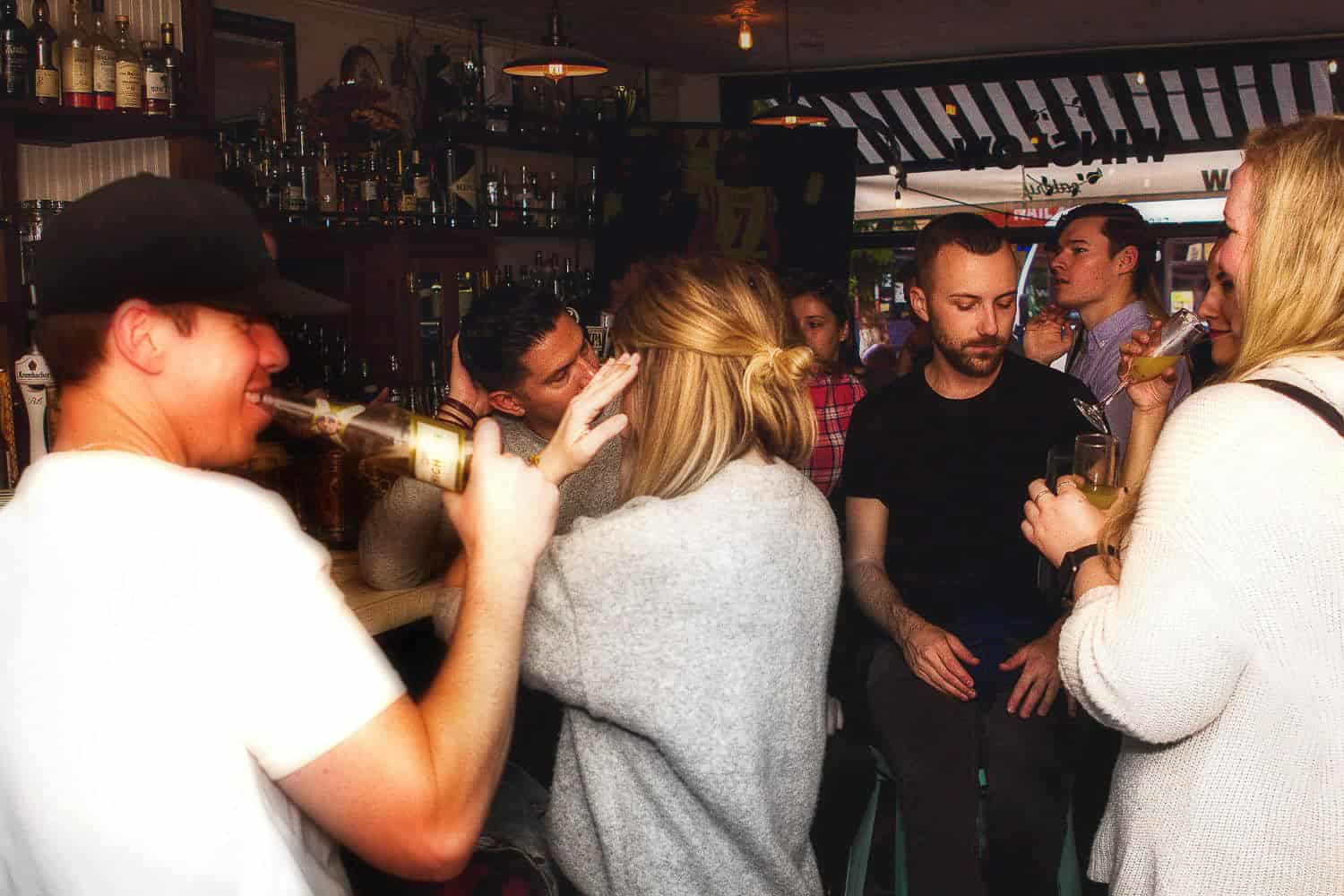
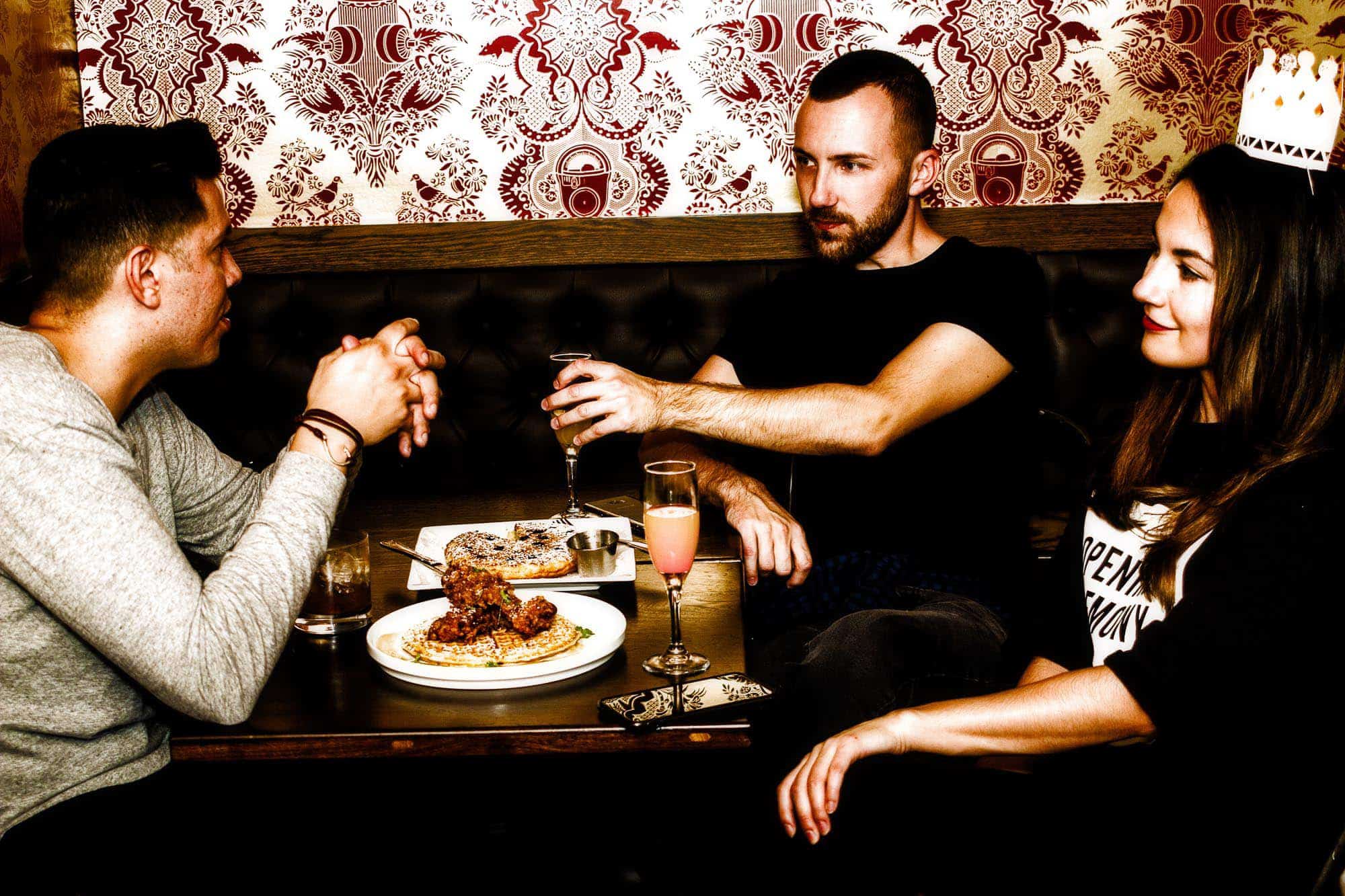
Corporate events have a reputation for being harder than they need to be. The guest list changes three times, someone forgets to mention dietary restrictions until the morning of the event, the executive team wants a polished atmosphere but not anything that feels stiff, and half the attendees are hoping to talk business while the other half just want a drink and a decent place to sit. That tension is exactly why so many companies have moved away from hotel ballrooms and generic meeting spaces. A well-run bar with a private room often solves more problems than it creates.
That may sound surprising if your idea of a bar is loud music, packed crowds, and a server trying to balance six espresso martinis while shouting over the speakers. But the right venue is not that. A strong private event bar operates almost like a hybrid between a hospitality venue and a small event space. It gives companies the energy and warmth that conference rooms lack, while still delivering structure, privacy, and service.
After years of seeing what works, and what quietly derails an otherwise good event, one thing is clear. When the venue fits the purpose, everything becomes easier. Planning is simpler. Attendance improves. Conversation flows more naturally. People stay longer, engage more, and leave with a better impression of the company that invited them.
Why the setting changes the entire event
Most corporate gatherings are not really about the agenda printed on the invite. They are about relationships. A quarterly celebration is meant to reinforce morale. A client reception is there to deepen trust. A recruiting mixer should make promising candidates feel they can imagine themselves on the team. Even internal workshops often depend on informal conversation before and after the official program.
Traditional venues can make those goals harder to reach. Restaurants with no separation from the main dining room may expose your group to too much noise and foot traffic. Standard conference spaces tend to flatten the mood before the event even begins. Guests walk in expecting fluorescent lights, lukewarm coffee, and a schedule that runs long.
A bar with private room options strikes a better balance. The private room creates a boundary, which matters more than many planners realize. It gives your group a distinct space with a sense of occasion. At the same time, the bar setting keeps the event from feeling overly formal. People loosen up, but they do not lose focus. That combination is valuable for almost every kind of corporate event, from networking nights to retirement parties.
There is also a practical reason this format works so well. Many bars already know how to host rotating groups, manage food and beverage timing, handle tabs, pace service, and maintain atmosphere. Those are not minor details. They are the mechanics that determine whether an event feels smooth or chaotic.
The kinds of corporate events that work especially well
Some event formats practically belong in a private room at a bar. Team happy hours are an obvious fit, but they are far from the only option. I have seen these spaces work exceptionally well for client appreciation evenings, sales kickoffs, department celebrations, alumni gatherings, informal board dinners, product launch previews, and post-conference receptions.
They also work for events that sit between social and strategic. A leadership group might need a relaxed dinner after an intense planning session. A professional services firm may want to host a thought-leadership talk for clients without making it feel like a seminar. A startup may need a venue that supports both a short presentation and open mingling afterward. In all of those cases, a private room inside a bar can carry both tones at once.
The key is understanding that “bar” does not have to mean casual in the careless sense. Many private event bars are designed with business functions in mind. They often offer built-in audiovisual capabilities, movable seating, dedicated staff, and menu packages that can be scaled to suit different budgets. A room that handles a birthday gathering on Saturday night may host a polished investor reception on Tuesday. Good venues know how to make that transition.
Privacy matters more than people expect
The phrase “private room” is not just a nice extra. For corporate events, it often changes the behavior of the group.
In open spaces, guests tend to split their attention. They glance at other tables, compete with surrounding noise, and become more self-conscious during speeches or presentations. In a private room, the event gains focus. People know where to go, where to leave their coats, where the host will speak, and where the group belongs. That subtle clarity removes friction before it starts.
Privacy also supports conversations that need a little discretion. A recruiting event, for example, may involve candidates who do not want to be on display in a crowded public venue. A client gathering may include discussions about upcoming projects or performance issues that should not happen within earshot of strangers. Even a holiday party benefits from separation. Employees can relax more when they are not squeezed between unrelated diners and the Friday night public crowd.
There is another angle that planners sometimes miss. Private rooms create psychological ownership. When guests feel the room is “ours” for the evening, they settle in faster. They network more confidently, and they are more likely to stay rather than drifting out after one drink. That matters if you are trying to maximize face time with clients, sponsors, candidates, or employees from different departments.
Food and drink are easier to manage than in a full restaurant buyout
A common planning mistake is assuming that a standard restaurant reservation can absorb a corporate event. For very small groups, that can be fine. Once the guest count climbs, the cracks show quickly. Splitting checks becomes messy. Service slows because your group is competing with the regular dining room. The kitchen gets hit in waves. A toast interrupts nearby tables. Someone from your group is always stranded at the far end, unable to hear anything.
Private rooms solve those operational problems in a cleaner way. They allow the venue to prepare specifically for your headcount, your schedule, and your budget. That means food can come out in a coordinated flow, drinks can be managed through a hosted bar or selected package, and staffing can be assigned according to the size and style of the event.
From a budgeting standpoint, this also gives companies more control. Instead of gambling on an open-ended restaurant tab, planners can choose structures that make financial sense. You might set a per-person package, cap the hosted bar for a fixed period, or combine passed appetizers with one signature cocktail and a cash bar after. There is no single right model. The point is that a private event format gives you options, and options are what make an event manageable.
One finance director I worked with had a rule for client dinners: if the bill could become embarrassing to approve later, the structure was wrong from the start. That is a blunt way to put it, but accurate. Corporate event planning gets much easier when the venue can shape the spend before the first guest arrives.
The atmosphere does some of the hosting for you
There is a reason so many people dread “networking events” and then genuinely enjoy a casual corporate gathering in the right venue. Atmosphere carries a lot of emotional labor. Lighting, music, room layout, and drink service all influence whether a room feels transactional or welcoming.
A bar is often better at creating that comfort than a traditional event venue because hospitality is its core business. The staff understands pacing. The room likely has texture already, rather than looking like a blank rental. Guests know what to do when they enter. They can order a drink, greet colleagues, and settle into conversation without needing constant direction.
This matters especially for mixed groups. At many corporate events, not everyone knows each other. There may be clients, vendors, staff, and leadership in the same room. In a sterile setting, those social lines can harden. In a private room at a bar, the built-in informality softens them. A junior employee may find it easier to introduce herself to a senior executive over a shared appetizer station than in a boardroom-style setup.
That does not mean atmosphere should be left to chance. Good planners still shape it. They think about whether guests will be standing, seated, or doing a mix of both. They consider whether the room needs lower music for conversation or a little more energy for a celebration. They ask where the host should stand for remarks so that no one is craning their neck from behind a column. The venue can provide the foundation, but the event works best when those details are intentional.
What to look for when choosing the right venue
Not every bar with a separate room is suitable for a corporate function. Some spaces look private on paper but are effectively overflow seating near the restrooms. Others have charm but no infrastructure. The strongest venues combine character with competence.
Here are five features worth checking before you book:
- A truly separate room with controllable noise and a clear sense of privacy
- Flexible food and beverage packages that match your guest profile and budget
- Staff experienced in private events, not just regular nightly service
- Practical amenities such as screens, microphones, coat storage, and accessible restrooms
- A location that guests can actually reach easily after work or from a nearby hotel
That final point causes more attendance issues than most people expect. A venue may photograph beautifully and still be a poor choice if it requires multiple transfers on public transport or leaves drivers circling for parking. Convenience is not glamorous, but it is one of the strongest predictors of turnout.
When possible, visit at the same time of day your event will happen. A room that feels calm at 2 p.m. May sit next to a very loud bar crowd by 6:30. A polished event sales packet does not tell you how the space actually behaves when the venue is busy.
Matching the room to the event format
One of the biggest advantages of using a bar with private room capacity is flexibility. The same venue can support very different event styles if the room is set properly. That said, layout should never be an afterthought.
For a client reception, standing cocktail tables with some perimeter seating usually work well. People can circulate, but older guests or anyone coming directly from a long travel day still have places to sit. For a team dinner, a partially seated setup helps avoid the awkward split between people who claim chairs early and those left hovering with a plate. For presentations, the room needs a natural focal point and enough sightlines that guests do not feel trapped behind taller attendees.
I once watched a company try to run a fifteen-minute awards presentation in a room staged entirely for mingling, with no visible front and no microphone. The event was not a disaster, but it felt improvised, and guests started talking through key announcements because the room itself gave no cues that attention should shift. The lesson was simple. Even a relaxed event needs a structure that the room reinforces.
The best planners ask the venue to talk through flow in plain terms. Where do guests check in? Where does the bar line form if there is one? Will passed food reach the back corners? Can late arrivals enter without crossing in front of a speaker? Those are the questions that separate a nice-looking event from a truly easy one.
Timing can make or break the experience
Corporate hosts often focus on date and budget first, which is understandable. Timing deserves equal attention.
A 5:30 p.m. Start works well for local after-work attendance, especially in urban markets. A 6:30 p.m. Dinner can feel more intentional and less like an extension of the workday. Morning or midday events in a bar setting can be effective too, but only if the venue adjusts the tone appropriately. Not every room that shines at night translates well at noon.
Duration matters just as much. Too short, and guests barely settle in before the event ends. Too long, and the energy dips or costs climb without adding value. For many corporate social events, ninety minutes to two and https://penzu.com/p/aa3762035d80e941 a half hours is the sweet spot. That gives enough time for arrivals, a hosted first round, a short speech if needed, and organic conversation.
There is also a strategic case for avoiding the most obvious calendar slots. December holiday windows book early and often feel crowded. Thursday evenings are popular, which can be good for energy but tougher for availability and staffing. A Wednesday event in the right venue can sometimes deliver a more attentive team and smoother service simply because the whole city is not competing for the same kind of room.
Budgeting without making the event feel cheap
Companies often assume there are only two options: overspend to impress or trim so aggressively that the event feels thin. In practice, there is a middle path, and private room bars are often where that middle path is easiest to find.
Perceived generosity depends less on extravagance than on thoughtfulness. Guests remember whether there was enough food, whether the service felt attentive, and whether the room was comfortable. They do not usually compare your appetizer spread against some imaginary luxury standard. They notice gaps. They notice waiting. They notice when a hosted bar closes abruptly without warning.
A few practical choices stretch a budget effectively. Holding the event slightly earlier can reduce the expectation of a full dinner while making substantial appetizers feel appropriate. Offering beer, wine, and one specialty cocktail often satisfies guests better than a full premium open bar with weaker food. Choosing a room that already looks polished saves money on decor because the space does not need rescuing.
The host’s communication also shapes perception. If the invitation frames the gathering as a cocktail reception, guests arrive with the right expectations. If it implies a seated banquet and delivers a standing room with sliders, disappointment starts before the first drink is poured.
Common pitfalls and how to avoid them
The venue can do a lot, but it cannot fix a plan that is fundamentally unclear. Most event headaches come from preventable mismatches between what the company wants and what it actually books.
A few trouble spots come up repeatedly:
- Underestimating headcount changes and failing to build a buffer
- Choosing a room for aesthetics while ignoring acoustics and layout
- Overloading the schedule with speeches, slides, and formalities
- Leaving food timing vague, which creates hungry guests and slow momentum
- Forgetting small logistics such as signage, accessibility, and dietary needs
Those issues rarely seem dramatic on their own. Together, they create the feeling that the event is somehow off. Guests may not know why they are uncomfortable, but they feel it.
One of the easiest fixes is to appoint a single internal point person who owns the venue relationship. Not five stakeholders, not a group email chain that no one fully monitors. One person. That person confirms final numbers, arrival timing, billing instructions, and any remarks or presentation needs. Venues perform better when they know exactly who is making decisions.
The role of service, and why it is worth paying for
If there is one part of the budget that is easy to undervalue, it is service. Companies notice menu pricing because it is visible. They are less likely to calculate the impact of an excellent floor manager or a staff member who catches a problem before it spreads.
Good service at a private corporate event is quiet but decisive. It means drink orders move without congestion. Empty glasses disappear before the room feels messy. The host is informed discreetly when the CEO has arrived, when the vegetarian platters need replenishing, or when it is the right moment for a toast. It means the event appears effortless to guests because someone competent is handling the edges.
That is one reason established venues often outperform charming but inexperienced spaces. Hospitality under pressure is a skill. When fifty or eighty guests show up within twenty minutes, the room needs staff who understand sequence, not just friendliness. In my experience, companies remember polished service longer than they remember premium garnishes or trendy menu names.
Why this format keeps winning repeat business
Once a company finds a reliable venue, it often returns again and again. That is not laziness. It is strategy. Familiarity reduces planning time, lowers risk, and improves execution. The venue learns your preferences. You learn how the room works. Guests begin to associate the place with events that are enjoyable and well run.
That repeatability is one of the strongest arguments for choosing a bar with a private room for corporate gatherings. It can become part of your event toolkit. Need a fast-turn client mixer for thirty people? The room works. Need a holiday event for sixty with speeches? Adjust the setup. Need a recruitment evening with light branding and casual conversation? Same venue, different use.
When a space can flex with your needs, event planning stops feeling like starting from zero every time. That is the real benefit. Easy events are not accidental. They come from good choices made early, especially the choice of venue.
For companies that want gatherings to feel professional without becoming rigid, social without becoming messy, and memorable without becoming a production, the right bar with private room capacity offers a practical answer. It gives you privacy, atmosphere, operational support, and room to tailor the experience to your audience. More importantly, it lets people focus on why they came in the first place, to connect, celebrate, discuss, and build something useful together.
The Winslow
Address: 243 E 14th St, New York, NY 10003
Phone number: +12127777717
FAQ About Bar With Private Room
Which bars in NYC offer private rooms?
Many bars in New York City offer private and semi-private rooms for parties and events, ranging from hidden basement speakeasies to upscale lounge spaces. Top options include The Back Room on the Lower East Side, Dear Irving Gramercy, Pebble Bar in Midtown, Mister Paradise in the East Village, and The Winslow in the East Village.
What is a private room in a pub called?
A small, private seating area or partitioned booth in a traditional pub is most commonly called a snug. Larger private rooms used for events, parties, or dining are typically referred to as private dining rooms, function rooms, or back rooms.
How much does a 2 hour open bar cost?
A 2-hour open bar generally costs between $15 and $45 per person, depending heavily on the quality of alcohol you choose. For a standard group of 100 guests, this translates to an overall cost of $1,500 to $4,500 before taxes, setups, and staff gratuities.